
Koh Tao
Overview
เกาะเต่า • Koh Tao (Ko Tao, RTGS)
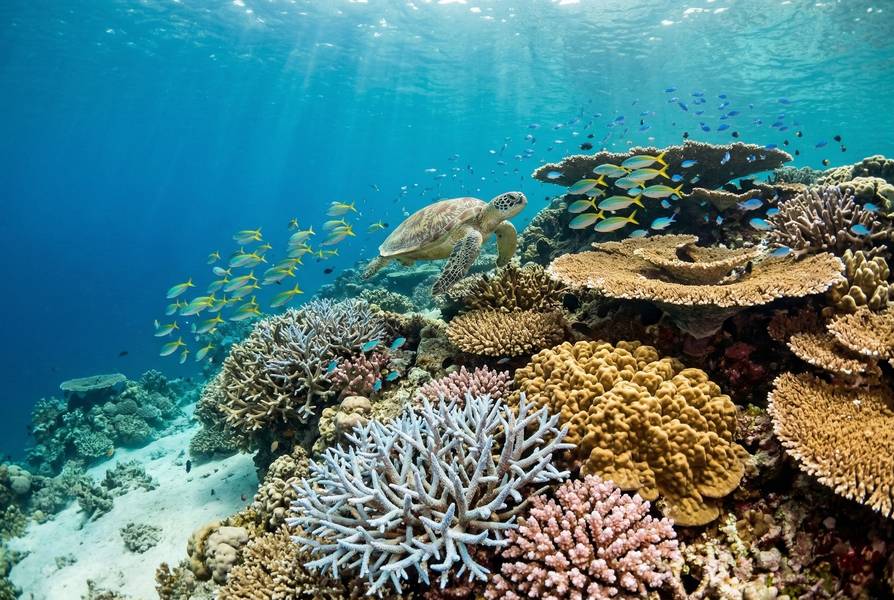
Koh Tao is a 21 sq km granite island in the Chumphon Archipelago, Gulf of Thailand, approximately 70 km off the Surat Thani coast. The name means “Turtle Island” — named for its shape and the green and hawksbill sea turtles that still nest on its beaches. With 200-million-year-old granite formations rising from the sea, jungle-covered hills, and 26+ dive sites surrounding the island, Koh Tao has become the world’s premier destination for affordable dive certification while pioneering community-led marine conservation.
What distinguishes Koh Tao from other Thai islands is the extraordinary concentration of dive schools — the intense competition keeps certification prices among the world’s lowest while the island certifies more divers than any other location in Southeast Asia. Beyond diving, the island offers world-class snorkeling accessible directly from multiple beaches, a growing rock climbing scene on ancient granite comparable to Joshua Tree (California), and a network of viewpoint hikes with panoramic Gulf views.
The island sits outside Thailand’s national park network, making it unique among Thai nature destinations. Instead of government-managed conservation, Koh Tao relies on a community-led model: a 20 THB visitor conservation fee (supported by UNDP/BIOFIN) funds coral restoration, waste management, and ecological monitoring. Dive schools partner directly with the Department of Marine and Coastal Resources (DMCR) on reef restoration projects, and the New Heaven Reef Conservation Program maintains a 10+ year ecological monitoring database across 11 sites.
For medical tourists, Koh Tao offers a rewarding recovery destination with gentle beach activities and shore snorkeling suitable for those past initial healing. The island has a government hospital near the pier and an on-island hyperbaric chamber — a significant safety asset for a remote island. However, surgical and specialist capabilities require evacuation to Koh Samui (1.5-2 hours by speedboat), and the hilly terrain means some areas require transport beyond walking.
Conservation fees, ferry schedules, and dive course prices are subject to change. Verify current information with operators before booking.
History & Significance
Island Heritage
- Subdistrict established: 15 August 1982
- Historical use: Formerly a political prison site; later coconut farming
- Tourism growth: From backpacker diving destination in the 1980s to internationally recognized dive hub
- First dive school: Big Blue Diving, established 1987
Conservation Milestones
- April 2022: 20 THB conservation fee introduced — a BIOFIN/UNDP biodiversity finance initiative that has raised over $450,000 USD
- Ongoing: DMCR-authorized coral restoration programs at Junkyard Reef and Black Turtle Reef — demonstrated success stories for artificial reef rehabilitation
- Ongoing: New Heaven Ecological Monitoring Program (EMP) — monthly surveys at 11 sites with 10+ year database tracking reef health
- 2023: 32 fish aggregation devices deployed (Earth Day initiative)
Coral Reef Status
Koh Tao’s reefs face ongoing challenges. A 2025 study published in Coral Reefs journal found worsening conditions from the pre-pandemic to post-pandemic period, despite the COVID-19 tourism pause. The 2010 mass bleaching event reduced coral coverage from 41.2% to 27.1%, with up to 68% mortality in shallow areas. Three coral families disappeared from one surveyed site. Bleaching and White Syndrome remain the primary disorders, with climate change and unregulated coastal development identified as the main drivers.
Active restoration programs offer hope — Junkyard Reef (a DMCR success story), Bio Rock artificial reefs, and coral nurseries represent genuine efforts to rebuild reef ecosystems. Visitors should understand that Koh Tao’s reefs, while still vibrant and rewarding to explore, are under environmental stress.
The Name “Koh Tao”
The name เกาะเต่า means “Turtle Island” — named both for the island’s turtle-like shape when viewed from above and for the green and hawksbill sea turtles that inhabit its waters. The RTGS official romanization is “Ko Tao” (without the ‘h’), though “Koh Tao” is the common tourist usage.
The Bays & Beaches
Sairee Beach (หาดทรายรี)
| Detail | Information |
|---|---|
| Location | West coast |
| Length | ~1.7 km |
| Character | Longest and most popular beach — bars, restaurants, dive schools, sunset views |
| Facilities | Full range — accommodation, dining, nightlife, dive shops, massage |
| Snorkeling | Limited from shore; better at nearby reef sites |
| Crowd Level | High |
| Post-Surgery | Suitable for relaxation from Week 2+. Flat, walkable. 15 min walk from pier. |
Shark Bay / Thian Og (อ่าวเทียนอก)
| Detail | Information |
|---|---|
| Location | South coast |
| Entry Fee | 100 THB (50 THB via alternate rocky entrance) |
| Character | Calm bay with seagrass beds — blacktip reef shark nursery |
| Facilities | Resort restaurant, viewpoint bar |
| Snorkeling | Excellent — juvenile blacktip reef sharks (best 7-10 AM), green turtles on seagrass |
| Crowd Level | Moderate |
| Post-Surgery | Suitable for gentle snorkeling from Week 2-3+ (calm, shallow) |
Tanote Bay (อ่าวโตนด)
| Detail | Information |
|---|---|
| Location | East coast |
| Entry Fee | Free (steep walk down) |
| Character | Boulder-strewn bay with excellent coral, cliff jumping (~5-6m) |
| Facilities | Limited — small restaurant/bar |
| Snorkeling | Excellent — healthy coral close to shore, big-eye snapper schools |
| Crowd Level | Moderate-Low |
| Post-Surgery | Shore snorkeling suitable from Week 2-3+. Steep access path. |
Mango Bay (อ่าวมะม่วง)
| Detail | Information |
|---|---|
| Location | North coast |
| Access | Boat or challenging hike |
| Character | Quiet, secluded bay |
| Facilities | Minimal |
| Snorkeling | Good — yellow scad schools, barracuda |
| Crowd Level | Low |
| Post-Surgery | Accessible primarily by boat tour |
Hin Wong Bay (อ่าวหินวง)
| Detail | Information |
|---|---|
| Location | East coast |
| Character | Rocky bay with dramatic boulder formations |
| Facilities | Limited |
| Snorkeling | Good — boulder formations, swim-throughs. Caution: boat traffic in the bay. |
| Crowd Level | Low |
| Post-Surgery | Rocky entry; moderate physical demand |
Additional Bays
- Aow Leuk (อ่าวลึก): East coast. Fewer crowds, coral reef, entry fee may apply. Calm and good for beginners.
- Sai Daeng (อ่าวทรายแดง): South coast. Hard and soft corals, green turtles on seagrass. Good shore snorkeling.
- Chalok Baan Kao (อ่าวโฉลกบ้านเก่า): South coast. Quieter bay with accommodation, restaurants. Good base for exploring south side.
- Mae Haad (หาดแม่หาด): West coast. Port village, ferry pier. Convenient for arrivals/departures.
Natural Features & Ecology
Marine Ecosystem
Koh Tao’s waters support over 200 coral species and diverse marine life across 26+ dive sites. The shallow bays and granite pinnacles create varied habitats from seagrass beds to deep-water seamounts.
Coral Species
Hard Corals:
- Staghorn coral (Acropora spp.) — increasing in recent surveys
- Brain coral
- Mushroom coral — Fungiidae family severely reduced post-2010
- Boulder coral (Porites spp.)
Soft Corals:
- Sea fans
- Bubble coral
Marine Life Highlights
Sea Turtles (Year-Round Residents):
- Green sea turtle (Chelonia mydas) — breeding and resident
- Hawksbill sea turtle (Eretmochelys imbricata) — breeding and resident
Sharks:
- Blacktip reef shark (juvenile populations at Shark Bay — best 7-10 AM)
- Whale shark (Rhincodon typus) — seasonal visitor, IUCN Endangered. Peak: March-May and September-October
- Leopard shark — occasional sightings
Reef Fish:
- Parrotfish, angelfish, butterflyfish, groupers, wrasses
- Anemonefish (clownfish)
- Bigeye yellow snapper schools (Tanote Bay)
- Yellow scad and yellow tail barracuda schools (Mango Bay)
- Trevallies, batfish, porcupinefish
- Giant barracuda schools
Other Marine Life:
- Blue-spotted ribbontail rays
- Moray eels (multiple species)
- Nudibranchs (diverse species)
- Seahorses
Marine wildlife is wild and unpredictable. Sightings of whale sharks, turtles, sharks, and other species are never guaranteed. The best conditions for wildlife encounters depend on season, weather, time of day, and luck.
Geological Features
- 200-million-year-old granite boulders and formations — defining the island’s dramatic coastline
- Underwater granite pinnacles: Chumphon Pinnacle, Southwest Pinnacle — creating deep-water dive sites
- Swim-throughs and caves: Green Rock, Sail Rock’s “Chimney” passage
- Rocky headlands separating bays
Island Ecology
- Forest cover: 61% primary forest remaining as of 2005, down from 96% in 1975 — a significant conservation concern
- Coconut palms along shorelines
- Tropical jungle canopy in the interior
- Pemphis Acidula (locally called “Thian” — Shark Bay’s namesake plant)
- Highest point approximately 300m elevation
- No rivers or significant freshwater features
Koh Nang Yuan (เกาะนางยวน)
Three small islets connected by a white sand sandbar, approximately 800m northwest of Koh Tao. One of the most photographed locations in the Gulf of Thailand.
| Detail | Information |
|---|---|
| Entry Fee | 250 THB per person |
| Hours | 10:00-17:00 (day visitors) |
| Access | Longtail boat from Mae Haad (~15 min, 200-400 THB round trip) |
| Viewpoint | 15-minute hike to panoramic viewpoint overlooking the sandbar |
| Snorkeling | Japanese Gardens (designated snorkel area, beginner-friendly) |
| Accommodation | Nangyuan Island Dive Resort (only option on island) |
| Restaurant | One restaurant (expensive) |
Strict Rules:
- No plastic bottles or metal cans (checked at entry)
- No drones
- No fins or water shoes on beaches
- No towels on sand
- Reef-safe sunscreen only
- No removal of coral, shells, or sand
Tip: Arrive early to avoid tour group crowds (10:30-15:00). Bring a reusable water bottle and your own food/snacks.
Activities & Experiences
Scuba Diving
Koh Tao certifies more divers than any other location in Southeast Asia. Over 26 dive sites surround the island, from shallow beginner-friendly bays to deep offshore pinnacles.
Beginner-Friendly Sites
| Site | Depth | Features |
|---|---|---|
| Japanese Gardens | 4-12m | Shallow coral gardens, excellent training site |
| Twins | 5-18m | Sheltered pinnacles, skill practice |
| White Rock | 5-20m | Most popular night dive, bioluminescence |
| Junkyard Reef | 5-12m | DMCR-approved artificial reef, conservation success story |
| Mango Bay | 3-16m | Calm, shallow, beginner-friendly |
Advanced Sites
| Site | Depth | Current | Features |
|---|---|---|---|
| Chumphon Pinnacle | 12-36m | Moderate-Strong | Whale sharks, barracuda schools, giant groupers |
| Sail Rock | 6-18m | Moderate | Granite pinnacle, “Chimney” swim-through, whale sharks |
| Southwest Pinnacle | 6-26m | Moderate-Strong | Pelagic hotspot, migration season megafauna |
| HTMS Sattakut | 18-30m | Moderate | US Navy landing craft wreck (sunk 2011) |
| Green Rock | 5-25m | Moderate | Caves and swim-throughs |
| Shark Island | 6-20m | Strong | Occasional whale sharks |
Dive Certification
| Course | Price | Duration | Includes |
|---|---|---|---|
| PADI Open Water | 9,500-12,000 THB (~$270-340 USD) | 3-4 days | Instructor, pool/boat dives, full gear, eLearning, certification |
| SSI Open Water | Similar range | ~2.5 days | Free eLearning via MySSI app |
| PADI Advanced | 9,000-11,000 THB | 2 days | 5 adventure dives |
| Fun Dives | ~1,000 THB per dive | Single dive | Discounts for packages |
Notable Dive Schools: Big Blue Diving (est. 1987), Crystal Dive, New Heaven Dive School, Black Turtle Dive, Sairee Cottage Diving
Many dive schools offer free accommodation during certification courses — a significant cost saver.
Diving Medical Advisory: Scuba diving is NOT recommended during any post-surgery recovery period. Diving carries risks including decompression sickness, barotrauma, and physical exertion that can compromise healing. Pressure changes are contraindicated for recent cardiac, orthopedic, and dental procedures. Do not fly within 18-24 hours of your last dive. Always complete diving medical questionnaires honestly and consult a dive physician if you have any health conditions.
Snorkeling
Shore Snorkeling (No Boat Required)
| Location | Entry Fee | Highlights | Post-Surgery Suitable |
|---|---|---|---|
| Shark Bay (Thian Og) | 100 THB | Blacktip reef sharks (best 7-10 AM), turtles, seagrass | Yes (Week 2-3+) |
| Tanote Bay | Free | Healthy coral, big-eye snapper schools, cliff jumping | Yes (Week 2-3+), steep access |
| Sai Daeng | Free | Hard and soft corals, green turtles on seagrass | Yes (Week 2-3+) |
| Hin Wong Bay | Free | Boulder formations, swim-throughs. Caution: boat traffic | Moderate physical demand |
| Aow Leuk | May apply | Fewer crowds, coral reef | Yes (Week 2-3+) |
Boat Snorkeling Tours
| Tour | Duration | Price | Includes |
|---|---|---|---|
| Full-day boat tour | Full day | 1,000-1,200 THB | 3-5 snorkeling stops, equipment |
Gear Rental: 50-100 THB per day from dive shops and beach vendors.
Freediving
Koh Tao is one of the world’s top freediving destinations with recognized certification centers. Similar medical restrictions apply as scuba diving — medical clearance required.
Hiking & Viewpoints
| Trail | Distance | Difficulty | Time | Fee | Highlights |
|---|---|---|---|---|---|
| John Suwan Viewpoint | ~500m | Moderate (steep, rock scrambling, ropes) | 20-30 min up | 100 THB | Panoramic view of Chalok Baan Kao and Thian Og bays; Koh Phangan visible on clear days |
| Fraggle Rock Viewpoint | ~2 km from Sairee | Moderate (uphill, rocky) | ~1 hour each way | 100 THB | ”Rabbit ears” rock formation, sunset views, Mek’s Mountain climbing area |
| Mango Viewpoint | 200m walk from road | Easy-Moderate | 15-20 min | Small fee at bar | Views of Sairee Beach and Mae Haad Bay, rustic bars |
| West Coast / Tanote Peak | Short trail | Easy | 15 min | 100 THB (includes drink) | Panoramic east and west coast views |
| Koh Nang Yuan Viewpoint | Short trail from pier | Easy-Moderate (stairs + boulders at top) | 10-15 min | Included in 250 THB island entry | Iconic sandbar view — one of Gulf of Thailand’s most photographed |
| 360° Viewpoint (Sun Suwan) | Short trail | Easy | 10-15 min | Free or small fee | Panoramic between Shark Bay and Chalok Bay |
Viewpoint Advisory: Most viewpoints involve steep sections, uneven terrain, and sun exposure. Wear sturdy footwear with grip. Bring water. Start early morning to avoid peak heat. Viewpoints are NOT recommended for patients in early post-surgery recovery due to physical exertion and fall risk. Consult your doctor before attempting these hikes.
Rock Climbing
Koh Tao’s 200-million-year-old granite offers bouldering, sport climbing, and trad routes comparable to Joshua Tree, California.
Operators:
- The Bunker Koh Tao (indoor gym, courses, cafe, hostel)
- Goodtime Adventures (route development since 2008)
- Koh Tao Climbing Project (climbing camp with bell tent camping)
Areas: Mek’s Mountain, Golden View, Jansom Bay, Lang Khai
Rock climbing is NOT recommended for recovery patients. High upper body demand, fall risk, and physical exertion make this unsuitable during any post-surgery period.
Other Activities
- Stand-up paddleboarding (SUP)
- Kayaking (~500 THB/2 hours at Sai Daeng)
- Kitesurfing
- Cliff jumping (Tanote Bay, ~5-6m) — NOT recommended for recovery patients
- Muay Thai training (multiple gyms)
- Yoga classes (multiple studios)
- Cooking classes
- Boat tours around the island
- Night diving (White Rock, Sairee Reef)
Dive Sites
Complete List
Koh Tao has 26 documented dive sites:
| Site | Notable Features |
|---|---|
| Ao Hin Wong Bay | Shore diving |
| Ao Leuk / Ao Leuk South | Shallow coral |
| Aow Mao (Mao Bay) | Calm conditions |
| Chumphon Pinnacle | 12-36m, whale sharks |
| Green Rock | Caves, swim-throughs |
| Hin Pee Wee | Small pinnacle |
| Hin Wong Pinnacle | Boulder formations |
| HTMS Sattakut | 18-30m wreck (sunk 2011) |
| Japanese Gardens | 4-12m, beginner training |
| Junkyard Reef | 5-12m, artificial reef |
| Laem Thian | Rocky point |
| Lighthouse Bay | Shore diving |
| Mango Bay | Calm, beginner |
| Pottery Pinnacle | Deep pinnacle |
| Red Rock / Nang Yuan Pinnacle | Near Koh Nang Yuan |
| Sai Daeng Bay | Coral gardens |
| Sairee Reef | Night dives |
| Sail Rock | 6-18m, Chimney swim-through |
| Samran Pinnacles | Offshore, strong currents |
| Shark Bay / Thian Og | Turtles, reef sharks |
| Shark Island | Currents, pelagics |
| Southwest Pinnacle | Pelagic hotspot |
| Tanote Bay | Shallow corals |
| Twins | Sheltered, skill practice |
| White Rock | Most popular night dive |
For Medical Tourists
Physical Requirements Assessment
| Factor | Level | Details |
|---|---|---|
| Ferry Transfer | Moderate | 1.5-2 hours from Chumphon or Koh Samui; can be rough in monsoon |
| Walking (Mae Haad/Sairee) | Easy | Flat walkable areas in main village and along beach |
| Walking (Other Areas) | Moderate-Challenging | Hilly terrain, steep roads |
| Beach Relaxation | Easy | Multiple flat, accessible beaches |
| Shore Snorkeling | Easy | Shark Bay and Tanote Bay accessible from shore |
| Boat Snorkeling Tour | Moderate | Requires boarding/disembarking boats |
| Viewpoint Hikes | Moderate-Challenging | Steep trails, rock scrambling, sun exposure |
| Heat Exposure | High | 27-36°C year-round with 79-86% humidity |
| Shade | Variable | Good in jungle areas; limited on beaches and viewpoints |
| Mobile Signal | Good | 4G in Mae Haad and Sairee; limited in remote bays |
Post-Surgery Suitability
| Procedure Type | Beach Relaxation | Shore Snorkeling | Boat Tours | Viewpoint Hikes | Scuba Diving |
|---|---|---|---|---|---|
| Dental (extraction/implant) | Week 2+ | Week 2-3+ | Week 3+ | Week 4+ | NOT recommended |
| LASIK | Week 2+ | Week 3+ | Week 3+ | Week 3+ | NOT recommended* |
| Light cosmetic (Botox, fillers) | Week 2+ | Week 2-3+ | Week 3+ | Week 4+ | NOT recommended |
| Rhinoplasty | Week 3+ | Week 3-4+ | Week 4+ | NOT recommended | NOT recommended |
| Abdominal surgery | NOT recommended | NOT recommended | NOT recommended | NOT recommended | NOT recommended |
| Cardiac procedures | Consult doctor** | NOT recommended | NOT recommended | NOT recommended | Contraindicated |
| Orthopedic (knee/hip) | NOT recommended | NOT recommended | NOT recommended | NOT recommended | NOT recommended |
*Diving after LASIK requires specific clearance and waiting periods — consult your ophthalmologist.
**Heat exposure (27-36°C) and hilly terrain present additional risks for cardiac patients. Limited emergency surgical access on island.
Critical Medical Advisory: Koh Tao has a government hospital near the pier (basic emergency care, X-ray, 10 beds) and an SSS Hyperbaric Chamber (24/7 diving emergencies). However, there is NO surgical capability on island. Emergency evacuation to Koh Samui requires 1.5-2 hours by speedboat; helicopter evacuation is available for critical cases but expensive. During monsoon season (October-December), evacuation may be delayed due to rough seas. Patients requiring immediate specialist or surgical access should choose mainland destinations. Travel insurance with medical evacuation coverage is strongly recommended. Always consult your doctor before any outdoor activities post-procedure.
Medical Facilities on Koh Tao
| Facility | Location | Services | Limitations |
|---|---|---|---|
| Koh Tao Government Hospital | Mae Haad, ~200m from pier | 24h emergency, X-ray, antenatal, dentistry, basic emergency. 10 beds. English-speaking staff. 39M THB upgrade completed. | Few resident physicians. No surgery or specialist capabilities. |
| SSS Hyperbaric Chamber | Mae Haad, off main road to Chalok | 24/7 diving emergency. Multiplace chamber, US Navy treatment protocols. 28+ years operating. | Diving emergencies only |
| Private Clinics | Multiple in Sairee, Mae Haad, Chalok | General medical care, diving medicine | Limited equipment |
Pharmacies: Available in Mae Haad and Sairee — basic medications and first aid supplies.
Nearest Full Hospitals
| Hospital | Location | Travel Time | Type |
|---|---|---|---|
| Koh Samui Hospital | Koh Samui (~60 km) | 1.5-2 hours by speedboat | Government hospital |
| Samui International Hospital | Koh Samui | 1.5-2 hours by speedboat | Private, international standard |
| Bangkok Hospital Samui | Koh Samui (~65 km) | 1.5-2.5 hours by speedboat/ferry | Private, international standard |
| Chumphon Hospital | Chumphon (~84 km) | 1.5 hours by speedboat | Government, mainland |
Emergency Numbers:
- 1669: National Emergency Hotline
- +66 81 081 9777: SSS Hyperbaric Chamber (24/7 diving emergencies)
- Koh Tao Rescue: 24/7 volunteer rescue service (land and sea)
- Tourist Police: Thai and Western volunteers — translation and dispute assistance
- Chalok Police Station: 24 hours
Who Should NOT Visit Koh Tao
- Patients with recent major surgery (any type)
- Cardiac patients without doctor clearance (heat, hilly terrain, limited emergency access)
- Those requiring regular hospital check-ups or specialist access
- Patients on blood thinners (coral cuts, remote from surgical facilities)
- Anyone with severe mobility impairments requiring wheelchair access
- Anyone during peak monsoon (October-December) who is in any stage of recovery — ferry disruptions can strand visitors and delay evacuation
Who May Consider Visiting
- Patients 2-3+ weeks post minor procedures (dental, minor cosmetic) with doctor approval
- Mental wellness and stress recovery patients (excellent beach atmosphere, yoga studios)
- Those comfortable with limited emergency surgical access
- Visitors during dry season with calmer ferry transfers
Recommended Recovery Activities
- Post-dental (Week 2+): Beach relaxation at Sairee, gentle shore snorkeling at Shark Bay, Walking Street-area dining
- Post-cosmetic minor (Week 2-3+): Beach time (avoid direct sun on treated areas), reef-safe sunscreen only, shore snorkeling, boat snorkel tour
- Post-LASIK (Week 2-3+): Beach relaxation, easy viewpoints (Mango Viewpoint), island scenery. No diving or water activities until ophthalmologist clears you.
- Mental wellness: Beach walks, yoga classes, sunset watching, gentle snorkeling, nature immersion
Getting There
From Bangkok
Option 1: Fly + Ferry (Fastest)
- Fly to Koh Samui Airport (Bangkok Airways, ~1 hour, flights every 30 min from 06:00-22:00)
- Ferry from Koh Samui to Koh Tao (Lomprayah high-speed catamaran, ~1.5 hours, 550-800 THB)
Total travel time: Approximately 3-4 hours
Option 2: Bus + Ferry (Budget)
- Night bus from Bangkok (Arun Amarin) departing 22:00
- Arrive Chumphon early morning
- Ferry from Chumphon to Koh Tao (Lomprayah, ~1.5 hours, 450-600 THB)
Combined ticket: 850 THB (Lomprayah). Total travel time: Approximately 10-12 hours
Option 3: Train + Ferry (Most Comfortable)
- Sleeper train from Bangkok (Hua Lamphong) to Chumphon (~10-12 hours)
- Ferry from Chumphon to Koh Tao (~1.5 hours)
Note: Must arrive Chumphon before 06:00 to catch the 07:00 ferry.
Ferry Services
| Operator | Type | Route | Duration | Price |
|---|---|---|---|---|
| Lomprayah | High-speed catamaran | Chumphon ↔ Koh Tao | ~1.5 hours | 450-600 THB |
| Lomprayah | High-speed catamaran | Koh Samui ↔ Koh Phangan ↔ Koh Tao | ~1.5 hours | 550-800 THB |
| Songserm Express | Express ferry | Koh Samui ↔ Koh Phangan ↔ Koh Tao | Variable | Variable |
| Night ferry | Slow ferry (dormitory beds) | Surat Thani ↔ Koh Tao | ~9 hours | Variable |
Lomprayah frequency: 4 sailings daily from Koh Samui; 1-2 from Chumphon.
Luggage: 20 kg per person included; excess may incur fees.
Ferry schedules and prices are subject to change. Confirm current timetables with operators. During monsoon season (October-December), cancellations are possible due to rough seas.
Arrival
All ferries arrive at Mae Haad Pier — the island’s only ferry pier. The government hospital is approximately 200m from the pier. Accommodation transfers and dive school pickups are typically arranged in advance.
On-Island Transport
| Type | Details | Cost |
|---|---|---|
| Walking | Mae Haad and Sairee are walkable | Free |
| Motorbike/scooter rental | Primary transport for the island | 200-250 THB/day |
| Longtail taxi boats | Between bays | Varies by distance |
| Songthaew | Shared pickup truck taxi | Varies |
Motorbike Safety Warning: Motorbike accidents are the MOST COMMON injury on Koh Tao. Steep hills, poor road conditions, and inexperienced riders contribute to frequent accidents. Exercise extreme caution, especially in rain. Medical tourists should strongly consider alternative transport. Always wear a helmet.
Accommodation
By Area
Sairee Beach (most popular, 15 min walk from pier):
| Range | Price | Notes |
|---|---|---|
| Budget | 300 THB (dorm) to 800 THB (fan room) | Many dive schools offer free accommodation with certification courses |
| Mid-range | 1,500-3,200 THB | Life Koh Tao Resort (free breakfast) |
| Luxury | 3,500-6,000+ THB | Pool villas, beachfront |
Mae Haad (port village, ferry access):
| Range | Price | Notes |
|---|---|---|
| Budget | 400-800 THB | Save Bungalows (~400 THB fan room) |
| Mid-range | 1,500-3,200 THB | Sensi Paradise Beach Resort (beachfront, pool, from 3,200 THB) |
Chalok Baan Kao (quieter, south coast, 10 min scooter from pier):
| Range | Price | Notes |
|---|---|---|
| Budget | 500-1,000 THB | Basic bungalows |
| Mid-range | 1,500-3,500 THB | Good base for south side exploration |
| Luxury | 3,500-6,000+ THB | Phandara Luxury Pool Villas (private plunge pools, ~6,000 THB) |
Tanote Bay / East Coast (secluded, great snorkeling):
- Limited resorts and bungalows. Best for experienced island visitors.
Notable Properties
Luxury:
- Haadtien Beach Resort (Shark Bay, ~5,000 THB, cliff-top pool)
- Phandara Luxury Pool Villas (Chalok, ~6,000 THB, private plunge pools)
- Jamahkiri Resort & Spa (stunning views, designer villas)
- View Point Resort (Shark Bay, from 3,500 THB, infinity pool)
Budget:
- Koh Tao Backpackers (Sairee, ~300 THB dorm, free stay with dive course)
- Budchui Village (near Sairee, pool)
Booking Tips
- Book ahead December-March (peak season)
- August is the cheapest month (~73% discounts on accommodation)
- Many dive schools include free accommodation with certification courses — significant savings
- Average: Sairee Beach ~$53/night, Mae Haad ~$39/night
Practical Tips
What to Pack
Essential:
- Reef-safe mineral sunscreen (buy at Boots/Watsons in Bangkok before arriving — limited selection on island)
- UV rashguard
- Sturdy footwear with grip (for viewpoints and rocky trails)
- Insect repellent (DEET-based recommended)
- Cash (THB) — primary payment method; some vendors accept QR payment
- Waterproof phone case
- Reusable water bottle
- Light rain jacket (any season)
For Recovery Patients:
- All prescribed medications (limited pharmacy on island)
- Doctor’s contact information and hospital contact card
- Travel insurance documentation
- Cooling towel
- Wide-brimmed hat
- Compression garments if prescribed
What NOT to Bring to Koh Nang Yuan
| Prohibited Item | Consequence |
|---|---|
| Plastic bottles | Entry refused |
| Metal cans | Entry refused |
| Styrofoam containers | Entry refused |
| Non-reef-safe sunscreen | Entry refused, fines possible |
| Fins or water shoes | Not permitted on beaches |
Safety Considerations
General Risks:
- Motorbike accidents — most common injury on island. Steep hills, poor road conditions, inexperienced riders. Exercise extreme caution.
- Sunburn and heat exhaustion (27-36°C year-round, 79-86% humidity)
- Petty theft — lock valuables, don’t leave items unattended on beaches
- Night safety — exercise caution in bars and entertainment areas
Wildlife Risks:
- Jellyfish (seasonal, particularly October-April in some areas)
- Sea urchins (rocky areas)
- Reef sharks (Shark Bay — completely harmless, do not touch)
- Fire coral (causes painful sting — do not touch)
- Coral cuts (common, can become infected — clean immediately with fresh water)
Diving-Specific Risks:
- Decompression sickness — hyperbaric chamber available on island (SSS Network)
- Ear equalization issues
- Do not fly within 18-24 hours of your last dive
Water Safety:
- Generally calm seas during dry season
- Strong currents possible at offshore dive sites and during monsoon
- Always check conditions with local operators before water activities
Weather Hazards:
- Monsoon October-December can bring rough seas and ferry cancellations
- Lightning storms possible May-October
- Flash flooding on hill roads during heavy rain
Environmental Responsibility
Conservation Fee
A 20 THB per visitor conservation fee is collected at Mae Haad Pier upon arrival. This funds:
- Coral reef restoration projects
- Waste management programs
- Community conservation initiatives
The fee is part of a BIOFIN/UNDP biodiversity finance initiative that has raised over $450,000 USD since April 2022.
Reef Protection Rules
- Never touch, stand on, or break coral
- Do not feed fish or marine life
- Do not chase, touch, or ride sea turtles
- Maintain safe distance from whale sharks (no touching)
- No shells, coral, or sand removal
- Do not use flash photography underwater near marine life
- No fins or water shoes on Koh Nang Yuan beaches (coral protection)
- Use only reef-safe mineral sunscreen (mandatory on Koh Nang Yuan, strongly recommended everywhere)
Ethical Tourism
- No unethical wildlife attractions — Koh Tao’s marine encounters are with wild, free animals in their natural habitat
- Support dive schools with verified conservation programs and DMCR partnerships
- Participate in beach cleanups (organized regularly by dive schools)
- Minimize single-use plastic — refill stations are available
Conservation Programs
Active programs visitors can support or learn about:
- New Heaven Reef Conservation Program: Monthly ecological monitoring at 11 sites, 10+ year scientific database
- Black Turtle Dive: DMCR-authorized coral restoration training, Green Fins certified
- Big Blue Conservation: Bio Rock artificial reef, sustainable mooring lines, coral nurseries (DMCR/Thai Navy partnership)
- Simple Life Divers “Alotmeant”: DMCR-partnered coral fragment rescue and transplantation
- Thai Whale Shark Project: Citizen science sighting database
- Koh Tao Women’s Group: Sustainable community business initiatives
Seasonal Guide
| Month | Conditions | Notes |
|---|---|---|
| Jan | Cool and dry. 27-30°C. Low rainfall. Excellent visibility. Peak tourism. | Good diving, book ahead |
| Feb | Driest month (39mm). 28-31°C. Best consistently dry weather. | Peak season continues |
| Mar | Warming. 29-32°C. Calm seas begin. Whale shark season starts. | Start of best diving season |
| Apr | Hot. 30-34°C. Very low rainfall. Excellent diving visibility. Whale shark peak. | Songkran celebrations |
| May | Hot and humid. 30-34°C. Southwest winds begin. | Some welcome cooling. Diving still excellent. |
| Jun | Warm. 30-33°C. Humidity ~79% (lowest). Windy season. | Good diving. Fewer tourists. |
| Jul | Warm. 29-33°C. Occasional rain showers. | Good diving. Low season — cheaper. |
| Aug | Warm. 29-33°C. Occasional rain. | Cheapest month (~73% accommodation discounts) |
| Sep | Warm. 29-32°C. Rain increasing. Second whale shark season. | Some rough sea days |
| Oct | Monsoon arriving. 28-31°C. Heaviest rainfall (313mm avg). | Sea conditions variable. Some ferry disruptions. |
| Nov | Peak monsoon. 28-30°C. Continuous rain possible for days. | Rough seas. Ferry cancellations possible. NOT recommended for recovery patients. |
| Dec | Monsoon easing. 27-29°C. Rain decreasing. | Cool season begins. Tourism picks up for Christmas/New Year. |
Whale Shark Season: March-May and September-October (peak). Year-round rare sightings possible. Sightings are never guaranteed.
Turtle Viewing: Year-round (green and hawksbill turtles are resident).
Sea Temperature: 27-30°C year-round.
Nearby Attractions
Nature Sites
| Attraction | Type | Distance | Highlights |
|---|---|---|---|
| Koh Nang Yuan | Island | 800m northwest | Iconic sandbar, Japanese Gardens snorkeling |
| Koh Phangan | Island | ~45 min by ferry | Full Moon Party, Bottle Beach, Thong Sala |
| Ang Thong Marine National Park | Marine park | ~2-3 hours | 42 islands, kayaking, Emerald Lake |
| Koh Samui | Island | ~1.5h by ferry | Beaches, Namuang Waterfalls, Big Buddha |
| Sail Rock | Offshore dive site | Shared with Koh Phangan | Chimney swim-through, whale sharks |
Cultural Sites
- Koh Phangan temples
- Koh Samui cultural attractions (Wat Plai Laem, Grandmother & Grandfather Rocks)
Local Dining
- Numerous restaurants in Sairee and Mae Haad — Thai, Western, seafood, vegetarian
- Beachside dining common
- Mae Haad has a small local market
- Sairee has walking street food vendors
Useful Thai Phrases
| English | Thai | Pronunciation |
|---|---|---|
| Hello | สวัสดี | Sa-wat-dee |
| Thank you | ขอบคุณ | Khob khun |
| How much? | เท่าไหร่ | Thao rai? |
| Koh Tao | เกาะเต่า | Goh Tao |
| Turtle | เต่า | Tao |
| Beautiful | สวย | Suay |
| Excuse me | ขอโทษ | Khor toht |
| Reef-safe sunscreen | ครีมกันแดดปลอดภัยต่อปะการัง | Cream gan daet plod pai tor pa-ga-rang |
Contact Information
Island Administration
- Website: https://www.visitkohtao.org/
- Tourism Association: Koh Tao Tourism Association
Medical (On-Island)
- Government Hospital: Mae Haad, ~200m from pier (24h emergency)
- SSS Hyperbaric Chamber: +66 81 081 9777 (24/7 diving emergencies)
Emergency Numbers
- 1669: National Emergency Hotline
- +66 81 081 9777: SSS Hyperbaric Chamber
- Koh Tao Rescue: 24/7 volunteer rescue (land and sea)
- Tourist Police: Translation and dispute assistance
- Chalok Police Station: 24 hours
Frequently Asked Questions
Is Koh Tao safe to visit after medical procedures?
Beach relaxation and gentle shore snorkeling on Koh Tao may be suitable 2-3+ weeks after minor procedures (dental, light cosmetic) with doctor approval. The island offers walkable areas around Mae Haad and Sairee Beach, and several bays have calm, shallow water for easy snorkeling. However, scuba diving is NOT recommended during any post-surgery recovery period due to pressure changes and physical exertion. The ferry transfer (1.5-2 hours) can be rough during monsoon season. Medical facilities are limited to a small government hospital and private clinics — the nearest hospital with surgical capability is 1.5-2 hours by speedboat on Koh Samui. Always consult your doctor before any outdoor activities post-procedure.
When is the best time to visit Koh Tao?
The best diving conditions are March to September with calm seas and good visibility. January to April offers the driest weather overall. October to December is monsoon season with heavier rainfall, rougher seas, and possible ferry disruptions — November is the peak monsoon month. The island is accessible year-round, but medical tourists should avoid October-December when sea conditions may delay evacuation and ferry cancellations can strand visitors.
Can I learn to dive on Koh Tao?
Yes — Koh Tao is the world's top destination for affordable dive certification. PADI Open Water courses run 9,500-12,000 THB (~$270-340 USD) over 3-4 days, significantly cheaper than most global destinations. Many dive schools offer free accommodation during certification courses. However, diving is medically contraindicated after surgery — always complete the diving medical questionnaire honestly and obtain medical clearance before enrolling.
Is mobile phone signal available on Koh Tao?
Yes, 4G mobile coverage is good in Mae Haad and Sairee areas. Signal can be limited or patchy in remote bays (Tanote Bay, Hin Wong Bay) and on inland jungle trails. WiFi is available at most hotels and restaurants. This is adequate for emergency communication from the main populated areas.
Can I snorkel directly from the beach?
Yes — Koh Tao has excellent shore-accessible snorkeling at several bays. Shark Bay (100 THB entry) offers blacktip reef shark and turtle sightings directly from the beach. Tanote Bay has healthy coral close to shore with no entry fee. Sai Daeng and Hin Wong Bay also offer good shore snorkeling. Gear rental is approximately 50-100 THB per day. Full-day boat snorkeling tours covering 3-5 sites cost 1,000-1,200 THB.
Are there sharks at Koh Tao?
Yes — juvenile blacktip reef sharks are commonly seen in the shallow waters of Shark Bay (Thian Og Bay), particularly between 7-10 AM. These small sharks are completely harmless to humans. Whale sharks are seasonal visitors (March-May and September-October) at deeper offshore sites. Neither species poses any danger to swimmers or snorkelers. Never touch or chase marine life.
Do I need to pay a national park fee?
Koh Tao is NOT a national park — it sits outside Thailand's protected area network. A voluntary conservation fee of 20 THB per visitor is collected at the pier upon arrival. This funds coral restoration and waste management through a BIOFIN/UNDP-supported initiative. Koh Nang Yuan (a separate nearby island) charges 250 THB entry. Fees are subject to change.
Is Koh Nang Yuan worth visiting?
Yes — Koh Nang Yuan's iconic sandbar connecting three islets is one of the Gulf of Thailand's most photographed views. Entry costs 250 THB per person. Strict rules apply — no plastic bottles, metal cans, fins, water shoes, or towels on sand, and reef-safe sunscreen only. Arrive early to avoid tour group crowds (10:30-15:00). Bring a reusable water bottle and your own snacks, as the single restaurant is expensive.
Need Help Planning Your Visit?
Our team can help coordinate your visit to Koh Tao during your stay in Thailand.
Check your insurance coverage before booking your medical trip.