
Similan Islands National Park
Overview
หมู่เกาะสิมิลัน • Mu Ko Similan National Park
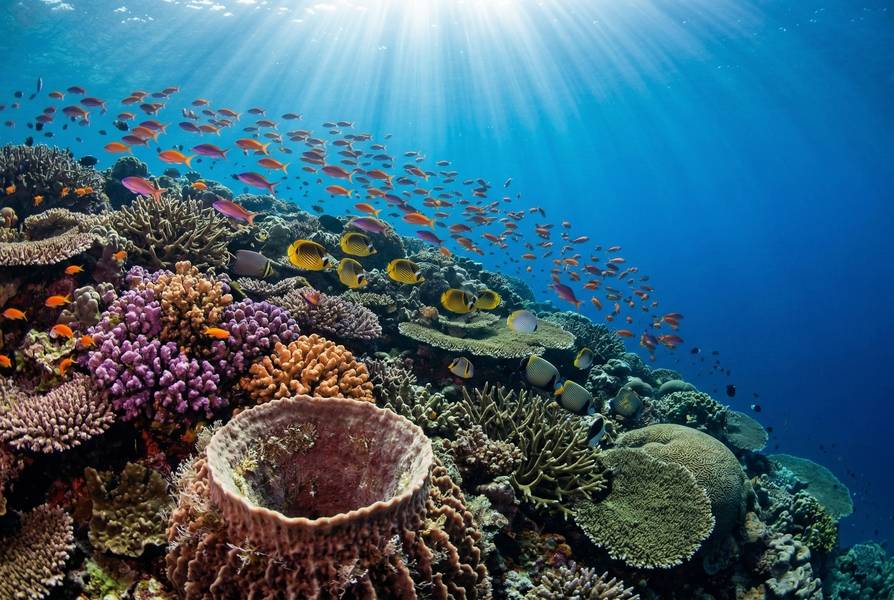
The Similan Islands are consistently ranked among the world’s top dive destinations. Named from the Malay word “Sembilan” meaning “nine,” this archipelago of 11 granite islands rises from the Andaman Sea, 70 km off the coast of Phang Nga Province. Established as a national park in 1982, the 140 sq km marine protected area features exceptional underwater visibility (up to 40 meters), vibrant coral reefs, and diverse marine life including manta rays, whale sharks, and sea turtles.
The iconic Sail Rock (Hin Rua Bai) on Koh Similan is one of Thailand’s most photographed natural landmarks. The islands attract divers and snorkelers from around the world seeking crystal-clear waters, pristine white sand beaches, and encounters with spectacular marine life at sites like Richelieu Rock—Jacques Cousteau’s favorite and Thailand’s premier dive site.
For medical tourists visiting Thailand, the Similan Islands offer a breathtaking day trip experience during the dry season. However, the remote location (no mobile signal, no medical facilities) and boat access requirements make this destination best suited for those well into their recovery who can handle moderate physical activity.
Park fees, operating hours, and seasonal dates are subject to change. Verify current information through the official DNP website or your tour operator before booking.
History & Significance
Ancient Geology
The granite islands and underwater boulder formations that define the Similans were formed over 65 million years ago. These ancient rock structures create the dramatic underwater landscape—towering boulders, swim-throughs, and canyons—that makes the diving here world-famous.
Park Establishment
- 1982: Established as Mu Ko Similan National Park covering 128 sq km (9 islands)
- 1998: Expanded to include Koh Bon and Koh Tachai, bringing total to 11 islands and 140 sq km
- 2018: All overnight accommodation on islands permanently closed for ecosystem protection
- 2021: Chemical sunscreen ban implemented across all Thai marine parks
- 2025: E-ticket system made mandatory; stricter environmental enforcement
Coral Recovery
The Similan reefs suffered catastrophic bleaching events in 1998 and 2010, with approximately 90% coral mortality in some areas. By 2019, park authorities announced near-full recovery—a testament to the effectiveness of the annual 5-month closure and strict conservation measures. Some dive sites remain closed to allow continued regeneration.
The Name “Similan”
The name derives from “Sembilan,” a Yawi (Malay dialect) word meaning “nine”—referring to the original nine islands numbered 1-9 from south to north.
The Islands
The Original Nine
| Island | Thai Name | Notable Features |
|---|---|---|
| #1 Ko Hu Yong | เกาะหูยง | Protected turtle nesting beach; closed to visitors |
| #2 Ko Payang | เกาะปายัง | Diving sites |
| #3 Ko Payan | เกาะปาหยัน | Diving sites |
| #4 Ko Miang | เกาะเมียง | Park headquarters, ranger station, Honeymoon Bay, Princess Bay |
| #5 Ko Ha | เกาะห้า | Excellent snorkeling with Ko Hok |
| #6 Ko Payu | เกาะปาหยู | Deep Six dive site nearby |
| #7 Ko Hin Pousar | เกาะหินปูซาร์ | Elephant Head Rock dive site |
| #8 Ko Similan | เกาะสิมิลัน | Largest island—Sail Rock viewpoint, Donald Duck Bay |
| #9 Ko Bangu | เกาะบางู | Christmas Point dive site |
Additional Islands (Added 1998)
| Island | Notable Features |
|---|---|
| #10 Ko Bon (Ko Talu) | Manta ray hotspot; advanced diving with strong currents |
| #11 Ko Tachai | Pinnacles, very strong currents, thermoclines; advanced diving only |
Natural Features & Ecology
Marine Ecosystem
The Similan Islands protect one of Thailand’s most biodiverse marine environments:
- Coral coverage: 500+ species of hard corals, extensive soft coral gardens
- Fish species: 2,000+ species of reef fish
- Visibility: 20-40 meters typical, best February-April
- Water temperature: 26-31°C depending on season
Coral Species
Hard Corals
- Staghorn coral (Acropora spp.)—fast-growing reef builders
- Table coral—distinctive flat formations
- Brain coral (Favia, Favites spp.)—massive dome-shaped colonies
- Elkhorn coral
- Massive corals (Porites spp.)—slow-growing, highly resilient
- Mushroom coral
- Foliose/leaf corals
Soft Corals
- Gorgonian sea fans—up to 2 meters wide, some of Thailand’s largest
- Sea whips
- Dendronephthya spp.—vibrant colors in reds, pinks, purples
- Carnation coral
- Bubble coral
Marine Life Highlights
Large Pelagics
- Manta rays: Frequently spotted at Koh Bon cleaning stations (November-May)
- Whale sharks: Appear February-May, peak sightings in April at Richelieu Rock
- Leopard sharks: Regular sightings at deep sites
- Whitetip reef sharks: Common at many dive sites
Sea Turtles
- Green sea turtle (Chelonia mydas)
- Hawksbill turtle (Eretmochelys imbricata)
- Ko Hu Yong (Island #1) is a protected nesting beach
Reef Fish
- Giant grouper
- Barracuda schools—sometimes hundreds strong
- Trevally
- Sweetlips
- Fusiliers—massive schools creating silver curtains
- Parrotfish
- Angelfish
- Clownfish
- Moray eels
Rare Finds
- Harlequin shrimp (Richelieu Rock)
- Seahorses (Richelieu Rock)
- Ghost pipefish
- Frogfish
Geological Features
- Granite boulder formations: Ancient rock structures creating underwater swim-throughs and canyons
- Sail Rock (Hin Rua Bai): Iconic boulder on Koh Similan, Thailand’s most photographed natural landmark
- Elephant Head Rock: Three massive granite boulders between Islands #7 and #8, resembling an elephant at low tide
Island Ecology
- Tropical rainforest vegetation on islands
- Pandanus (screw pine) and beach morning glory along shorelines
- Nicobar pigeon and white-bellied sea eagles
- Limited freshwater sources on islands
Activities & Experiences
Snorkeling
| Location | Difficulty | Highlights | Post-Surgery Suitable |
|---|---|---|---|
| Donald Duck Bay (Ko Similan) | Easy | Calm shallow waters, colorful reef fish | Yes (Week 3+) |
| Honeymoon Bay (Ko Miang) | Easy | Sea turtles, coral formations | Yes (Week 3+) |
| Ko Ha / Ko Hok (#5/#6) | Easy-Moderate | Best snorkeling in park, rich marine life | Yes (Week 3+) |
| Princess Bay (Ko Miang) | Easy | Near park headquarters | Yes (Week 3+) |
Note: No snorkeling at Richelieu Rock due to strong currents. All snorkeling is boat-based; equipment typically provided on tours.
Scuba Diving
Beginner-Friendly Sites
| Site | Depth | Features |
|---|---|---|
| Donald Duck Bay | 5-18m | Shallow corals, calm conditions |
| Honeymoon Bay | 5-15m | Turtles, easy conditions |
| Ko Ha / Ko Hok | 5-25m | Hard and soft corals, rich sea life |
Advanced Sites
| Site | Depth | Current | Features |
|---|---|---|---|
| Richelieu Rock | 5-35m | Moderate-Strong | Thailand’s #1 dive site—whale sharks, seahorses, harlequin shrimp, soft coral gardens |
| Elephant Head Rock | 10-30m | Strong | Dramatic swim-throughs, canyons, drift dives |
| Christmas Point | 12-35m | Moderate | Boulder formations, snappers, leopard sharks |
| Koh Bon West | 15-40m | Strongest | Manta ray cleaning station, wall dive |
| Deep Six | 15-30m | Moderate | Steep wall, barracudas, reef sharks |
| Ko Tachai | 10-35m | Very Strong | Pinnacles, thermoclines, large pelagics |
Certification Requirements:
- Open Water Diver (18m max): Most Similan sites
- Advanced Open Water (30m max): Recommended for Koh Bon, Ko Tachai, Richelieu Rock
Hiking
| Trail | Distance | Time | Difficulty | Features |
|---|---|---|---|---|
| Sail Rock Viewpoint | ~400m | 15-20 min | Moderate | Rocky, steep sections; panoramic views of Donald Duck Bay |
Note: The viewpoint trail is the only significant hiking on the islands. It’s steep and rocky—not recommended during recovery.
Photography
Best Locations:
- Sail Rock Viewpoint (Ko Similan)—sunrise/sunset
- Donald Duck Bay beach
- Underwater at Richelieu Rock (requires housing)
Gear Note: Underwater camera housing essential for diving/snorkeling photography. Drone flights require written DNP permission.
Wildlife Watching
- Sea turtle spotting: Snorkeling/diving throughout the park
- Manta ray encounters: Koh Bon, February-May
- Whale shark sightings: Richelieu Rock, February-May (peak April)
- Bird watching: Nicobar pigeon, white-bellied sea eagles on islands
Dive Sites in Detail
Richelieu Rock
Thailand’s Premier Dive Site
This horseshoe-shaped pinnacle in Surin Marine National Park (accessible on liveaboard trips) is consistently rated Thailand’s #1 dive site. Named by Jacques Cousteau in the 1980s for the rich red color of its soft corals—reminiscent of the robes of Cardinal Richelieu.
- Depth: 5-35m
- Current: Moderate to strong
- Highlights: Whale sharks (Feb-May), seahorses, harlequin shrimp, massive schools of barracuda and jacks, stunning soft coral coverage
- Best for: Experienced divers
Koh Bon
Manta Ray Hotspot
The premier location for manta ray encounters in the Similan area.
- Depth: 15-40m
- Current: Strongest in the park—advanced divers only
- Highlights: Manta ray cleaning stations, wall dive
- Best time: November-May for mantas
Elephant Head Rock
Underwater Adventure Playground
Named for its resemblance to an elephant at low tide, this site features dramatic underwater topography.
- Depth: 10-30m
- Current: Strong, drift dives
- Highlights: Massive granite boulders, swim-throughs, canyons
- Best for: Experienced divers comfortable with currents
For Medical Tourists
Physical Requirements Assessment
| Factor | Level | Details |
|---|---|---|
| Boat Transfer | Challenging | 70-90 min speedboat, can be rough in swells |
| Boarding/Disembarking | Moderate | Stepping in/out of boats from water level |
| Beach Walking | Easy | White sand, some rocky areas |
| Snorkeling | Easy-Moderate | Swimming required; life jackets available |
| Viewpoint Hike | Moderate | 15-20 min, steep rocky trail |
| Heat Exposure | High | Open water, tropical sun |
| Shade | Limited | Beaches have minimal natural shade |
| Mobile Signal | None | Critical: No phone coverage on islands |
Post-Surgery Suitability
| Procedure Type | Snorkeling Day Trip | Viewpoint Hike | Scuba Diving |
|---|---|---|---|
| Dental (extraction/implant) | Week 3-4+ | NOT recommended | NOT recommended |
| LASIK | Week 3-4+ | Week 4+ | NOT recommended* |
| Light cosmetic (Botox, fillers) | Week 3+ | NOT recommended | NOT recommended |
| Rhinoplasty | Week 4+ | NOT recommended | NOT recommended |
| Abdominal surgery | NOT recommended | NOT recommended | NOT recommended |
| Cardiac procedures | NOT recommended | NOT recommended | Contraindicated |
| Orthopedic (knee/hip) | NOT recommended | NOT recommended | NOT recommended |
*Diving after LASIK requires specific clearance and waiting periods—consult your ophthalmologist. Diving is medically contraindicated for many conditions including recent surgery, cardiac issues, respiratory conditions, and ear problems. Always complete a diving medical questionnaire honestly and consult a dive physician if you have any health concerns.
Medical Advisory: The Similan Islands are a remote destination with NO medical facilities and NO mobile phone coverage. Emergency evacuation requires a 70+ minute boat transfer to the mainland, followed by road transport to hospital. Patients requiring immediate medical access should choose destinations closer to medical facilities. Always consult your doctor before any outdoor activities post-procedure.
Critical Safety Considerations
- No emergency medical facilities on islands
- No mobile phone signal—radio communication only
- Boat evacuation required for any medical emergency (minimum 70 minutes to pier)
- Diving adds risks: Decompression, ear barotrauma, exertion
- Heat exposure significant: Tropical sun on open water
- Speedboat can be rough: Impact on healing incisions, discomfort
Who Should NOT Visit
- Patients with recent surgery (any type)
- Cardiac patients (diving contraindicated)
- Those requiring regular medication access
- Anyone with mobility limitations
- Patients who may need emergency medical care
Who May Consider Visiting
- Patients 3-4+ weeks post minor procedures (with doctor approval)
- Those comfortable with no mobile signal for emergencies
- Visitors who will skip diving and limit to relaxed snorkeling/beach time
- People comfortable with potentially rough boat rides
Nearest Hospitals
| Hospital | Location | Distance from Pier | Travel Time | Type |
|---|---|---|---|---|
| Andaman Medical Centre | Bang Niang, Khao Lak | ~15 km | 20 min by road | Private clinic, emergency dept |
| Takua Pa Hospital | Takua Pa town | ~25 km | 30 min by road | Government hospital |
| Bangkok Hospital Phuket | Phuket Town | ~100 km | 1.5-2 hours | Private, JCI-accredited |
| Vachira Phuket Hospital | Phuket Town | ~100 km | 1.5-2 hours | Government regional (503 beds) |
Emergency from Islands: Radio to tour boat → Speedboat to Tab Lamu Pier (70+ min) → Road transport to hospital
Emergency Numbers:
- 1669: National Emergency Hotline
- 1199: Marine Police
- 1155: Tourist Police
Getting There
From Bangkok
- Fly to Phuket International Airport (1 hour 20 minutes from Bangkok)
- Transfer by road to Tab Lamu Pier (1.5-2 hours via Khao Lak)
- Boat to Similan Islands (70-90 minutes by speedboat)
Tab Lamu Pier (Thap Lamu)
The departure point for virtually all Similan trips:
- Location: 13 km from Khao Lak town center, Phang Nga Province
- Facilities: Parking, shops, tour operator counters
- Travel from Khao Lak: 10-20 minutes via Route 4
- Alternative spellings: Thaplamu, Tapla Mu
Boat Options
| Type | Duration | Capacity | Notes |
|---|---|---|---|
| Speedboat | 70-90 min | 20-30 passengers | Fast but can be rough in swells |
| Standard boat | ~3 hours | Larger | More stable, better for seasickness |
Day Trip Details
- Cost: 1,800-3,500 THB depending on operator and inclusions
- Typical inclusions: Transfers, lunch, snorkeling gear, park fees (confirm before booking)
- Departure: Early morning (~6:00-8:00 AM from Khao Lak hotels)
- Return: Late afternoon (~4:00-5:00 PM)
Important Booking Requirements
- E-ticket mandatory: All visitors must purchase park entry through the official DNP QueQ app before 8:00 AM on travel day
- Passport required: Foreigner tickets require passport details
- Daily limit: 3,850 visitors maximum—book in advance during peak season
- Independent travel not permitted: Must join organized tour
Liveaboard Diving
Overview
Multi-day liveaboard trips offer the most immersive Similan experience, with access to remote sites (Richelieu Rock), night dives, and early morning dives not possible on day trips.
Season
October 15 - May 15 (same as park season)
Duration Options
- 2 days / 1 night
- 3 days / 3 nights
- 4 days / 4 nights (most popular)
- 5 days / 4 nights
- Up to 10 days
Price Range (per day)
| Category | Price (THB/day) | Example Boats |
|---|---|---|
| Budget | 6,250-7,000 | Manta Queen fleet, Pawara, Sawasdee Fasai |
| Mid-Range | 7,000-10,000 | MV Bavaria, MV Aqua, Smiling Seahorse, The Junk |
| Luxury | 10,000-13,000+ | MV DiveRACE Class X (new 2026), Mandarin Queen 9 |
Typical Itinerary
Day 1: Depart Tab Lamu Pier (afternoon/evening) → Cruise to Similans overnight Days 2-3: Similan sites → Koh Bon → Koh Tachai Day 4: Richelieu Rock → Return to pier
Booking Tips
- Book 2-3 months in advance for peak season (December-April)
- National park fees typically paid separately in cash onboard
- Nitrox (enriched air) available on many boats
- Confirm certification requirements for itinerary
Practical Tips
What to Pack
Essential:
- Reef-safe mineral sunscreen (zinc oxide/titanium dioxide)
- Rash guard or 3mm wetsuit (sun protection + jellyfish)
- Underwater camera with housing
- Dry bag for electronics
- Motion sickness medication (if prone)
- Cash (THB) for tips and welfare shop
For Divers:
- Certification card and logbook
- Personal mask/fins if preferred
- Dive computer (or rent)
For Recovery Patients:
- Hospital contact card
- Any prescribed medications
- Cooling towel
What NOT to Bring
| Prohibited Item | Penalty |
|---|---|
| Chemical sunscreen | Up to 100,000 THB fine |
| Single-use plastics | Confiscated |
| Styrofoam containers | Confiscated |
| Plastic straws | Confiscated |
Water Conditions by Month
| Month | Water Temp | Visibility | Conditions | Notes |
|---|---|---|---|---|
| Oct | 21-26°C | 15-25m | Variable | Season opening, cooler water, plankton-rich |
| Nov | 27-29°C | 25-30m | Good | Conditions improving, manta season begins |
| Dec | 28-30°C | 30m+ | Excellent | Peak season starts, busiest period |
| Jan | 29-30°C | 30m+ | Excellent | Peak season, best overall conditions |
| Feb | 29-30°C | 30-40m | Excellent | Whale sharks appear, manta rays active |
| Mar | 29-31°C | 30-40m | Prime | Best visibility, whale shark season |
| Apr | 30-32°C | 30m+ | Very Good | Warmest water, whale shark peak |
| May | Declining | Variable | Declining | Season closing (May 15), winds increasing |
| Jun-Sep | — | — | CLOSED | Southwest Monsoon |
Special Phenomena
“Green Monster”: Occasional cold water upwellings (down to 21°C) reduce visibility but attract unusual marine life. Notable events occurred in December 2019 and late 2023-early 2024.
Coral Spawning: Typically occurs 3-5 days after the full moon in April—a spectacular underwater event.
Environmental Responsibility
Reef Protection Rules
- Never touch coral—even dead coral may harbor life
- Never stand on coral—use sandy areas only
- Maintain neutral buoyancy when diving
- Keep fins away from reef structures
- No flash photography of marine life at night
- Maintain safe distance from all marine life
Sunscreen Ban
Since August 2021, chemical sunscreens are banned in all Thai marine parks:
Banned Ingredients:
- Oxybenzone
- Octinoxate
- 4-Methylbenzylidene Camphor
- Butylparaben
- Homosalate
- Octocrylene
Allowed: Mineral-based sunscreen with zinc oxide or titanium dioxide
Penalty: Up to 100,000 THB fine
Plastic-Free Policy
Single-use plastics and styrofoam containers are prohibited. Bring reusable water bottles—refill stations available on most tour boats.
Ethical Wildlife Interaction
- No feeding fish—disrupts natural behavior
- No chasing marine life—let animals approach you
- No touching turtles or rays
- Keep distance from whale sharks (minimum 3m recommended)
- Never collect shells, coral, or marine life
Conservation Measures
The park implements strict protection:
- Daily visitor caps: 3,850 people maximum
- 5-month annual closure: May 16 - October 14 for ecosystem recovery
- Closed dive sites: East of Eden, partially Anita’s Reef (coral regeneration)
- Mooring buoy system: Prevents anchor damage to reefs
- Ranger patrols: Active monitoring and enforcement
Seasonal Guide
Peak Season (December - April)
- Best overall conditions for diving and snorkeling
- Calmest seas, easiest boat transfers
- Highest visibility (30-40m in Feb-Apr)
- Warmest water (29-32°C)
- Wildlife: Manta rays active; whale sharks Feb-May
- Crowds: Highest—book in advance
- Prices: Peak rates
Shoulder Season (October - November)
- Season opening October 15
- Conditions variable, improving through November
- Cooler water (21-27°C) possible in October
- Reduced visibility but good for large pelagics
- Fewer crowds
- Lower prices
Closed Season (May 16 - October 14)
- Complete closure—no access permitted
- Southwest Monsoon brings rough seas, heavy rain
- Essential for ecosystem recovery
- All boats return to mainland
Nearby Attractions
Nature Sites
| Attraction | Distance | Features |
|---|---|---|
| Mu Ko Surin National Park | 60 km north | Richelieu Rock, Moken sea gypsy village |
| Khao Sok National Park | 70 km inland | Ancient rainforest, Cheow Lan Lake, wildlife |
| Khao Lak-Lam Ru National Park | 15 km from Khao Lak | Coastal trails, waterfalls, mangroves |
| Ao Phang Nga National Park | 50 km south | James Bond Island, limestone karsts, kayaking |
Beaches
- Khao Lak Beach: Long sandy beach, sunset views, base for Similan trips
- Bang Niang Beach: Quieter beach north of Khao Lak
Cultural Sites
- Tsunami Memorial (Police Boat 813): Khao Lak—remembrance of 2004 disaster
Therapeutic
- Klong Thom Hot Springs: Krabi Province (~200 km south)—natural hot spring pools in forest setting
Useful Thai Phrases
| English | Thai | Pronunciation |
|---|---|---|
| Hello | สวัสดี | Sa-wat-dee |
| Thank you | ขอบคุณ | Khob khun |
| How much? | เท่าไหร่ | Thao rai? |
| Similan Islands | หมู่เกาะสิมิลัน | Moo Ko Si-mi-lan |
| Khao Lak | เขาหลัก | Khao Lak |
| Beautiful | สวย | Suay |
| Excuse me | ขอโทษ | Khor toht |
| Reef-safe sunscreen | ครีมกันแดดปลอดภัยต่อปะการัง | Cream gan daet plod pai tor pa-ga-rang |
Contact Information
Park Headquarters
- Address: Mu Ko Similan National Park, 93 Moo 5, Lam Kaen Sub-district, Thai Mueang District, Phang-Nga Province 82210
- Phone: +66 76 453 272 / +66 76 453 273
- Email: np_similan@hotmail.com
- Website: https://portal.dnp.go.th/
Emergency Numbers
- 1669: National Emergency Hotline
- 1199: Marine Police
- 1155: Tourist Police
Park Entry Tickets
- E-ticket System: QueQ App (mandatory)
- Booking deadline: Before 8:00 AM on travel day
- Passport required for foreigner tickets
Frequently Asked Questions
Is it safe to visit the Similan Islands after medical procedures?
Day trips for beach relaxation and light snorkeling may be suitable 3-4+ weeks after minor procedures (dental, cosmetic) with doctor approval. However, the 70-90 minute speedboat ride can be rough (especially early/late season), there are NO medical facilities on the islands, and emergency evacuation requires boat transfer to the mainland (70+ minutes). Diving is NOT recommended during any recovery period due to decompression risks and physical demands. Patients requiring immediate medical access should choose destinations closer to hospitals.
When is the Similan Islands season?
The park is open October 15 to May 15 annually and completely closed May 16 to October 14 during the Southwest Monsoon. This 5-month closure protects marine ecosystems and ensures visitor safety during rough seas. Peak conditions occur February-April with calmest seas, warmest water (29-31°C), and best visibility (30-40m).
Can I stay overnight on the Similan Islands?
No. All island accommodation (bungalows and camping) has been permanently closed since 2018 for ecosystem protection. The only overnight option is a liveaboard diving boat that anchors offshore. Day trips are the standard way to visit—boats depart from Tab Lamu Pier early morning and return by late afternoon.
Do I need diving certification to visit?
No certification is needed for snorkeling and beach activities. For scuba diving, Open Water Diver certification (PADI, SSI, or equivalent) is required for most sites. Advanced certification is recommended for challenging sites like Koh Bon, Koh Tachai, and Richelieu Rock, which have strong currents.
Is mobile phone signal available on the islands?
No. There is NO mobile phone signal on the Similan Islands—only limited satellite communication. Tour operators have radio contact with the mainland. This is critical for medical tourists to understand for emergency planning. Ensure someone on the mainland knows your itinerary.
What sunscreen can I use at Similan Islands?
Only reef-safe mineral sunscreen (zinc oxide or titanium dioxide) is permitted. Chemical sunscreens containing oxybenzone, octinoxate, homosalate, or octocrylene are BANNED in all Thai marine parks, with fines up to 100,000 THB (~$3,000 USD). Tour operators may check sunscreen before departure. Single-use plastics are also prohibited.
When is the best time to see whale sharks and manta rays?
Manta rays are frequently spotted November-May, with the best chances at Koh Bon's cleaning stations. Whale sharks appear February-May (peak in April) at Richelieu Rock and occasionally other sites. Sightings are never guaranteed—marine wildlife is wild and unpredictable.
How do I book a Similan Islands trip?
Day trips and liveaboards can be booked through operators in Khao Lak or Phuket. All visitors must purchase park entry tickets through the official DNP e-ticket system (QueQ app) before 8:00 AM on travel day—passport details required for foreigners. Daily visitor limits of 3,850 people are strictly enforced, so book in advance during peak season (December-April).
Need Help Planning Your Visit?
Our team can help coordinate your visit to Similan Islands National Park during your stay in Thailand.
Check your insurance coverage before booking your medical trip.