
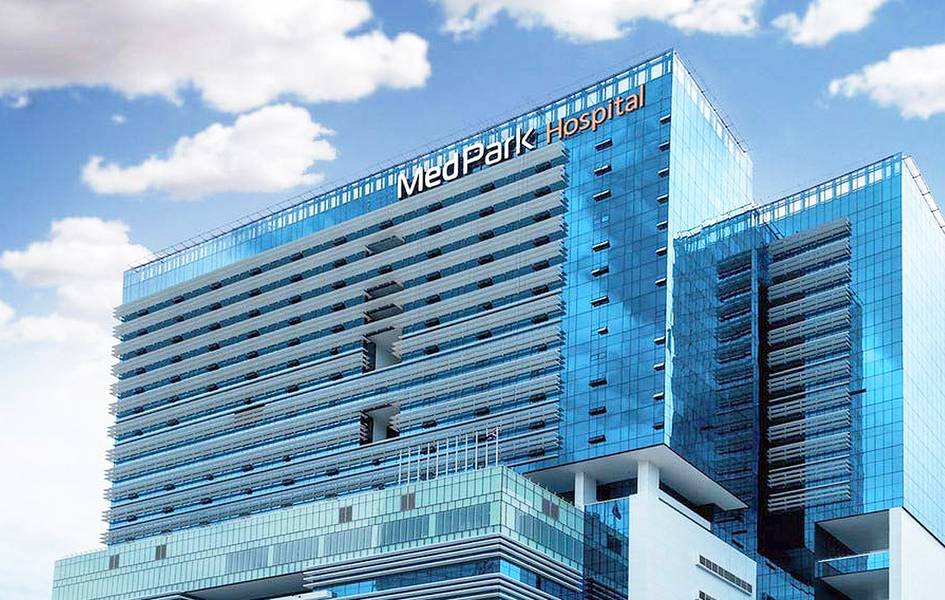

MedPark Hospital
Bangkok, Thailand
Overview
MedPark Hospital, established in 2020, is a premier quaternary care facility located in the heart of Bangkok's new business district near Rama IV Road. Born from a collaboration between Maha Chai Hospital Public Company Limited and a diverse group of medical specialists, MedPark operates under the philosophy of "Redefining Healthcare." The hospital was purpose-built to handle high acuity and complex medical cases, distinguishing itself with a remarkably high ratio of intensive care units—130 of its 550 licensed beds are dedicated to critical care, representing 30% of total capacity.
The hospital has rapidly achieved international standards, securing Joint Commission International (JCI) accreditation and HA Thailand certification, while consistently appearing in Newsweek's "World's Best Hospitals" rankings for Thailand from 2022-2025. MedPark combines world-class medical expertise with cutting-edge technology, featuring Hybrid Operating Theaters, 3 Tesla MRI, PET-CT, and SPECT-CT scanning capabilities. The facility is architecturally designed to enhance the healing process, offering private rooms with floor-to-ceiling windows that provide calming views of the adjacent Benjakitti Forest Park.
MedPark is deeply committed to serving the global community through its International Patient Center, which provides seamless support ranging from medical evacuation coordination and visa assistance to multilingual interpretation in Japanese, Arabic, Chinese, Burmese, and Khmer. With a medical staff comprised largely of American Board-certified physicians and specialists who are leaders in their respective fields, MedPark Hospital has positioned itself as a leading medical hub in Southeast Asia for patients requiring sophisticated medical intervention and compassionate, personalized care.
Centers of Excellence
MedPark Heart Center
Comprehensive cardiac care led by renowned specialists, featuring TAVR, EP studies, and complex heart failure management
MedPark Cancer Center
Multidisciplinary cancer treatment utilizing Precision Medicine, immunotherapy, and advanced radiation technology (LINAC)
IVF Center
Advanced reproductive technologies including ICSI, PGT-A, and egg freezing in a controlled, supportive environment
Orthopedics Center
Expertise in minimally invasive surgery (MIS), sports medicine, and complex joint reconstruction
Eye Center
Full-service eye care including LASIK, cataract surgery, and treatment for retinal disorders
GI & Liver Center
Advanced endoscopy capabilities (ERCP, EUS) for diagnosing and treating complex digestive diseases
Facilities & Technology
550 licensed beds
Private rooms with floor-to-ceiling windows overlooking Benjakitti Forest Park
130 ICU beds
High Acuity ICU representing 30% of total capacity for critical care
18 Hybrid Operating Theaters
Integration of advanced imaging (C-arm CT, MRI) within surgical suites
Advanced Imaging Center
3 Tesla MRI, PET-CT, and SPECT-CT capabilities
24/7 emergency services
Sky Garden
Outdoor green spaces designed for patient rehabilitation and relaxation
Negative Pressure Rooms
Specialized isolation rooms for infectious disease management
International Patient Services
Medical Evacuation
Coordination with air ambulance providers for critical patient transfer
Visa Assistance
Support for medical visa applications and extension letters
Insurance Coordination
Direct billing agreements with major international insurance providers
Multilingual Interpreters
Dedicated staff for Japanese, Arabic, Chinese, Burmese, and Khmer speakers
International Lounge
Exclusive area for international patients to receive administrative support
Telemedicine
Pre-arrival and post-treatment video consultations
Specialties & Departments
Accreditation & Certifications
JCI (Joint Commission International)
The gold standard for global healthcare quality and patient safety.
HA Thailand (Healthcare Accreditation Institute)
International healthcare quality certification.
Newsweek World's Best Hospitals (Thailand)
International healthcare quality certification.
Location & Contact
Languages Supported
Ready to Start Your Medical Journey?
Get a personalized quote for treatment at MedPark Hospital. Our team will connect you with the right specialists.
Procedures Offered
Aortic Aneurysm Repair
Surgical repair of a weakened, bulging section of the aorta through open surgery (synthetic graft replacement) or endovascular aneurysm repair (EVAR/TEVAR), where a stent-graft reinforces the weakened wall from inside, preventing life-threatening rupture.
Cardiac Ablation (Catheter Ablation for Arrhythmias)
Minimally invasive electrophysiology procedure that uses targeted energy delivery — radiofrequency heat, cryotherapy, or pulsed electric fields — to create precise lesions in heart tissue responsible for abnormal rhythms, guided by advanced 3D electroanatomical mapping systems for arrhythmias including SVT, atrial fibrillation, atrial flutter, and ventricular tachycardia.
Coronary Angiography
Diagnostic imaging procedure using contrast dye and X-ray fluoroscopy to visualize coronary arteries and identify blockages, narrowing, or other abnormalities through minimally invasive catheterization.
Coronary Angioplasty with Stent
Minimally invasive catheter-based procedure to restore blood flow through blocked coronary arteries using balloon dilation and drug-eluting stent placement.
Coronary Artery Bypass Graft (CABG)
Heart bypass surgery that creates new pathways for blood to flow around blocked or narrowed coronary arteries, restoring proper blood flow to the heart muscle using grafted vessels from the chest, leg, or arm.
Heart Valve Replacement (Aortic/Mitral)
Surgical replacement of a damaged or diseased heart valve with a prosthetic valve — either mechanical (lifelong durability) or bioprosthetic (tissue-based) — indicated when the native valve is too severely damaged for repair due to calcific stenosis, rheumatic disease, endocarditis, or prosthetic valve failure.
ICD/Defibrillator Implantation
Implantable cardioverter-defibrillator (ICD) placement that continuously monitors heart rhythm and delivers electrical therapy to prevent sudden cardiac death from dangerous arrhythmias.
Open Heart Surgery
Cardiac surgery requiring median sternotomy and cardiopulmonary bypass to operate directly on heart structures, including valve repair or replacement, septal defect repair, aortic surgery, myectomy, and tumor resection when catheter-based approaches are insufficient.
Pacemaker Implantation
Placement of a small electronic device under the skin that uses electrical impulses to regulate slow or irregular heart rhythms, with options ranging from traditional transvenous to modern leadless pacemakers.
Transcatheter Aortic Valve Replacement (TAVR)
Minimally invasive catheter-based procedure that replaces a severely diseased aortic valve without open-heart surgery — a bioprosthetic valve mounted on a collapsible stent is delivered via the femoral artery and deployed within the existing valve, indicated for symptomatic severe aortic stenosis across all surgical risk categories.
Arm Lift (Brachioplasty)
Surgical procedure to reduce excess sagging skin and fat between the underarm and elbow, reshaping the upper arm to create a smoother, more toned contour. Results vary by individual. Particularly popular among patients who have lost significant weight or those experiencing age-related skin laxity.
Abdominoplasty (Tummy Tuck)
Surgical procedure removing excess abdominal skin and fat while tightening underlying muscles. Among the fourth to fifth most performed cosmetic surgical procedures worldwide with approximately 1 million procedures annually. Addresses loose skin, diastasis recti, and stubborn fat deposits resistant to diet and exercise.
Breast Lift (Mastopexy)
Surgical procedure raising and reshaping sagging breasts by removing excess skin and repositioning the nipple-areola complex. Thailand offers multiple lift techniques with 85-95% patient satisfaction rates and 50-65% savings compared to US pricing.
Buccal Fat Removal (Cheek Reduction)
Surgical procedure removing the buccal fat pads from the cheeks to create a more sculpted, contoured facial appearance with defined cheekbones and a slimmer lower face. Performed through small incisions inside the mouth with no visible external scars. Results are permanent but the procedure is irreversible, making careful patient selection essential.
Fat Transfer (Lipofilling)
Procedure that harvests fat via liposuction and injects it into another area for volume enhancement or contour improvement. Applications include facial rejuvenation, breast augmentation, and buttock enhancement with 80-90% patient satisfaction. Thailand offers 50-55% savings compared to US pricing.
Liposuction (Lipoplasty)
Body contouring procedure removing stubborn fat deposits through suction to sculpt and reshape specific body areas. The second most performed cosmetic surgical procedure worldwide with over 2 million procedures annually. Not a weight-loss procedure—ideal for patients near their target weight with localized fat resistant to diet and exercise.
Mommy Makeover (Combined Body Contouring)
Customized combination of cosmetic surgeries aimed at improving post-pregnancy body contours. Results vary by individual. Typically includes tummy tuck, breast procedures, and liposuction performed in one surgical session or staged over multiple sessions.
Rhinoplasty (Nose Job)
Surgical procedure reshaping the nose for aesthetic improvement or functional correction. The fourth most performed cosmetic surgical procedure worldwide with approximately 1.5 million procedures annually. Addresses the bridge, tip, nostrils, and overall size while maintaining or improving nasal function.
Thigh Lift (Thighplasty)
Surgical body contouring procedure that reshapes the thighs by removing excess skin and fat, resulting in smoother, better-proportioned contours. Commonly performed in patients who have experienced significant weight loss from lifestyle changes or bariatric surgery, and those with age-related skin laxity. Multiple techniques available including inner (medial), mini, vertical, outer (lateral), and circumferential thigh lifts based on individual needs.
Hysteroscopy (Diagnostic & Operative)
Minimally invasive procedure for direct visualization and treatment of uterine conditions. The gold standard for evaluating intrauterine pathology, hysteroscopy enables same-session diagnosis and treatment of polyps, fibroids, adhesions, and septum—optimizing the uterine cavity before IVF.
Intracytoplasmic Sperm Injection (ICSI)
Advanced IVF fertilization technique where a single sperm is injected directly into an egg, offering the highest success rates for male factor infertility and cases of previous IVF failure.
Laparoscopy (Diagnostic & Operative)
The gold standard for evaluating and treating conditions affecting reproductive organs outside the uterus. Through small abdominal incisions, laparoscopy enables direct visualization and same-session treatment of endometriosis, tubal disease, ovarian cysts, and pelvic adhesions—optimizing fertility potential before or instead of IVF.
Preimplantation Genetic Testing (PGT)
Preimplantation Genetic Testing allows genetic analysis of IVF embryos before transfer, identifying chromosomal abnormalities and inherited conditions to improve pregnancy success rates.
CAR-T Cell Therapy
Genetically engineered immune cells (CAR-T) that target and destroy cancer cells, offering 80-90% remission rates for eligible blood cancer patients per CIBMTR registry data. Thailand facilities report significant cost savings compared to US treatment.
Systemic Chemotherapy Cycles
Cyclic cytotoxic chemotherapy using cell-killing drugs to destroy rapidly dividing cancer cells throughout the body. Treatment given in 21-28 day cycles allows recovery between sessions, with 4-8 cycles over 3-6 months depending on cancer type and response. Thailand offers 50-70% cost savings with JCI-accredited facilities using identical NCCN-guideline protocols.
Immunotherapy (Checkpoint Inhibitors)
Revolutionary cancer treatment using immune checkpoint inhibitors (ICIs) that harness the body's immune system to recognize and attack cancer cells by blocking proteins like PD-1, PD-L1, and CTLA-4.
IMRT (Intensity-Modulated Radiation Therapy)
Advanced external beam radiation using computer-controlled linear accelerators with multileaf collimators to precisely shape radiation beams to tumor contour, enabling dose escalation while sparing healthy tissue. Thailand offers treatment at 50-80% lower cost than US.
Lumpectomy with Oncoplastic Surgery
Breast-conserving surgery removing tumor while preserving breast shape through combined oncologic and plastic surgery techniques. Thailand offers 50-70% cost savings with advanced oncoplastic approaches, dual-trained surgeons, and JCI-accredited facilities achieving equivalent survival to mastectomy for early-stage breast cancer.
Mastectomy
Surgical removal of breast tissue for breast cancer treatment or prevention. Thailand offers 60-80% cost savings with oncoplastic surgery combining removal with cosmetic reconstruction, BRCA genetic testing, and JCI-accredited facilities with experienced breast surgeons.
Robotic-Assisted Cancer Surgery (da Vinci)
Minimally invasive surgery using the da Vinci Xi robotic system with 3D HD visualization, 10x magnification, and 7-degree EndoWrist instruments for precise tumor removal with 44% fewer complications than open surgery.
Sentinel Lymph Node Biopsy (SLNB)
Minimally invasive surgical staging procedure identifying the first lymph node(s) to which cancer cells spread from primary tumors. Thailand offers 60-70% cost savings with dual-tracer technique achieving 95%+ identification rates, JCI-accredited facilities with nuclear medicine capabilities, and multidisciplinary tumor boards at Bumrungrad, Bangkok Hospital, and MedPark.
Targeted Therapy
Precision cancer treatment using drugs that target specific molecular alterations in cancer cells, including tyrosine kinase inhibitors (TKIs), monoclonal antibodies, and antibody-drug conjugates for patients with actionable biomarkers.
VATS Lobectomy (Lung Cancer Surgery)
Video-assisted thoracoscopic surgery to remove a cancerous lung lobe through small incisions. Minimally invasive approach offers faster recovery and less pain than open thoracotomy for early-stage non-small cell lung cancer.
Cataract Surgery
Cataract surgery removes the eye's clouded natural lens and replaces it with an artificial intraocular lens (IOL), restoring clear vision. Clinical studies report success rates exceeding 99%, though individual outcomes vary.
ACL Reconstruction
Arthroscopic surgical procedure replacing the torn anterior cruciate ligament with a graft to restore knee stability, performed using minimally invasive techniques with same-day discharge.
Total Ankle Replacement
Total ankle arthroplasty replacing damaged ankle joint surfaces with metal and polyethylene components to relieve pain while preserving motion, with modern implants demonstrating approximately 80-90% survival at 10 years based on published registry data.
Bilateral Knee Replacement
Simultaneous bilateral total knee arthroplasty replacing both damaged knee joints in a single surgical session, eliminating the need for two separate surgeries and rehabilitation periods, with 88.9% patient satisfaction and 90-95% implant survival at 10 years.
Bunion Surgery (Bunionectomy)
Surgical correction of hallux valgus deformity through bone realignment and soft tissue balancing, with modern techniques achieving 85-90% patient satisfaction and recurrence rates as low as 5% with minimally invasive approaches.
Carpal Tunnel Release
Surgical decompression of the median nerve at the wrist to relieve numbness, tingling, and weakness, with 75-90% of patients achieving complete or near-complete symptom resolution.
Total Hip Replacement
Total hip arthroplasty replacing the damaged ball-and-socket joint with artificial components to restore mobility and eliminate pain, with approximately 95.6% implant survival at 10 years based on meta-analysis data.
Hip Resurfacing
Bone-conserving alternative to total hip replacement where the femoral head is trimmed and capped with a metal covering rather than removed, preserving natural bone stock for younger, active male patients with 96.5% survival at 20 years.
Knee Arthroscopy
Minimally invasive knee surgery using a small camera to diagnose and treat meniscal tears, loose bodies, and cartilage damage with rapid recovery.
Lumbar Disc Replacement
Motion-preserving spinal surgery replacing a damaged intervertebral disc with an artificial implant, maintaining near-normal spinal movement while reducing stress on adjacent segments.
Laminectomy (Spinal Decompression)
Spinal decompression surgery removing the lamina to relieve pressure on spinal cord or nerve roots, treating spinal stenosis symptoms including leg pain, numbness, and weakness.
Meniscus Repair
Arthroscopic surgical procedure that sutures a torn meniscus back together to preserve its function as a shock absorber, with approximately 80-90% early healing success rates and 89% return to sport rates in clinical studies based on Mayo Clinic systematic review data.
Minimally Invasive Spine Surgery
Advanced spinal procedures performed through small incisions using tubular retractors, endoscopes, and real-time imaging guidance for faster recovery and less pain than traditional open surgery.
Rotator Cuff Repair
Arthroscopic or open surgical repair of torn rotator cuff tendons, reattaching them to the humeral head using suture anchors to restore shoulder stability, strength, and range of motion.
Scoliosis Surgery (Spinal Deformity Correction)
Surgical correction of abnormal lateral spinal curvature through instrumentation and fusion, using pedicle screw fixation and contouring rods to straighten and stabilize the spine while promoting vertebral fusion in the corrected position.
Shoulder Arthroscopy
Minimally invasive keyhole surgery using a small camera and specialized instruments to diagnose and treat shoulder conditions including impingement, labral tears, frozen shoulder, and loose bodies through 2-5 small incisions.
Shoulder Replacement
Shoulder arthroplasty (anatomic or reverse) replacing damaged joint surfaces with artificial components, with approximately 90% of implants lasting 10+ years based on meta-analysis data.
Total Knee Replacement
Total knee arthroplasty replaces damaged knee joint surfaces with metal and polyethylene prostheses, restoring pain-free mobility for patients with severe arthritis or knee injuries.
Spinal Fusion (1-2 Level)
Surgical procedure permanently joining two or more vertebrae using bone grafts, metal rods, screws, and cages to stabilize the spine and eliminate pain from degenerative disc disease, spondylolisthesis, or spinal instability, with published studies showing 70-90% of patients reporting significant pain improvement.
Wrist Joint Replacement
Total wrist arthroplasty replacing damaged wrist joint surfaces with metal and polyethylene components, preserving motion while relieving pain, with fourth-generation implants showing 92-96% survival at 5 years.
Vertebroplasty / Kyphoplasty
Minimally invasive spinal procedures injecting bone cement into fractured vertebrae to provide rapid pain relief and stabilization, with 80-95% of patients typically experiencing significant improvement within 24-72 hours based on published data, though individual results may vary.
Health Screenings Available
Cancer Vigilance Screen
Multi-marker cancer screening package with tumor markers, imaging studies, and specialized tests to screen for indicators of common cancers.
Executive Wellness Plus
Premium VIP health screening for busy professionals featuring extensive diagnostics, expedited service, private facilities, and executive health consultation.
Heart Health Focus
Specialized cardiac screening package with advanced diagnostics including stress testing, echocardiogram, and cardiovascular risk assessment.
Senior Health Assessment
Thorough health assessment designed for adults 60+, with emphasis on age-related conditions, cognitive health, bone density, and detailed organ function evaluation.
Midlife Prevention Plus
Targeted screening for adults 36-55, focusing on early identification of age-related conditions including cardiovascular, metabolic, and cancer markers.